Netanyahu's coalition hangs on thin margins
Voters cast ballots in a tight contest where turnout among Arab citizens and ultra-Orthodox draft rules may decide who forms the next government.
By Natalie Reed ·
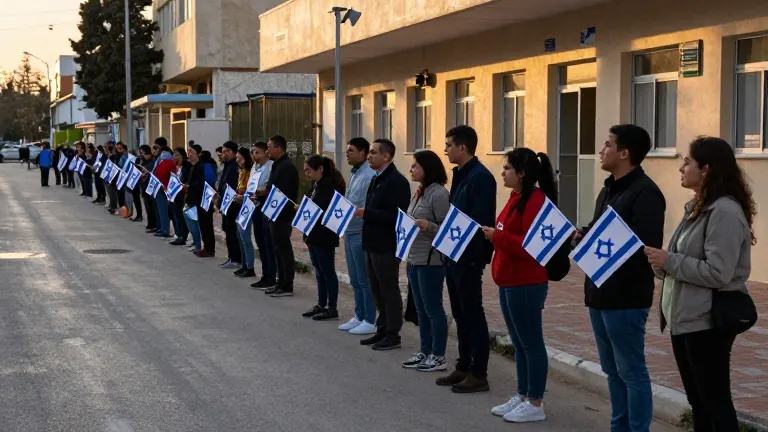
Islami citizens go to the polls on Tuesday to elect members of the 120-seat Knesset. The result will determine whether Prime Minister Benjamin Netanyahu remains in office or a rival coalition takes power. Most polls show neither bloc securing a decisive majority, meaning the outcome depends on post-election negotiations.
The current government has operated for three years during ongoing wars in Gaza, Lebanon, and Syria. Netanyahu seeks a third term as the longest-serving prime minister in Israeli history. He relies on alliances with ultranationalist and religious parties to maintain power without support from Arab-led parties.
Netanyahu argues that only he can manage the conflict with Iran and prevent a nuclear threat. He cited a statement by President Donald Trump from last week, who said, "If Israel has the wrong Leader, which would be anyone other than Bibi, America will have to do this work ourselves, and I am not inclined to do so." Netanyahu's campaign slogan in Hebrew translates to "Either right wing or Palestine, either right wing or a nuclear bomb."
Opposition leader Gadi Eisenkot leads the centrist Yashar party. Eisenkot, a former military chief, lost his son and two nephews in the Gaza war. He criticizes Netanyahu for using fear regarding Iran's nuclear capabilities. Eisenkot promises to launch a state inquiry into the intelligence failures that allowed the October 7, 2023, attacks, a review Netanyahu has previously blocked.
Analysts point to voter turnout as a critical variable. Arab Israelis, who comprise roughly 20% of the population, often have the highest variability in participation. Yohanan Plesner, president of the Israel Democracy Institute, noted that higher Arab turnout makes it less likely for Netanyahu to form a coalition with his current partners.
Two new parties are also contesting the election. Both hover near the threshold required to win Knesset seats. Their platforms focus on demanding that ultra-Orthodox Jews participate in mandatory military service. This issue challenges Netanyahu's traditional support base. If these parties cross the threshold, they could tip the balance of power.
If no bloc wins a clear majority, several paths exist for forming a government. Parties may switch sides, a common occurrence in Israeli politics. Alternatively, the opposition bloc could attempt to form a minority government if they win more seats than the right-wing bloc, even if that total is less than 61 seats. Arab parties could facilitate this by abstaining from votes against such a government.
Should negotiations fail, Israel would hold another election. Between 2019 and 2022, the country held five elections due to deadlocks. Plesner stated that if politicians stick to their promises and refuse to swap sides, the country will face a repeat vote. He added that most politicians are not interested in that scenario.
Source: CBS News