Myanmar Officials Signed Off on Diesel Labels for 113,000 Barrels of Iranian Jet Fuel
Documents show the country's foreign exchange regulator instructed brokers to mislabel sanctioned Iranian fuel to bypass US restrictions.
By Natalie Reed ·
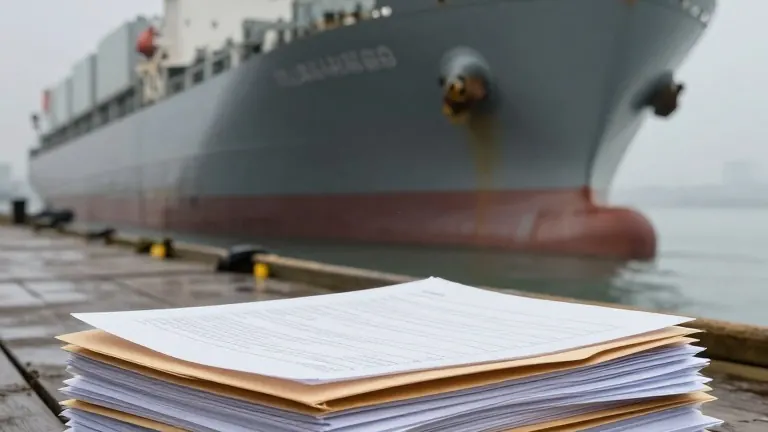
Myanmar’s foreign exchange regulator told energy firms to label a shipment of Iranian jet fuel as diesel in December 2025, a move designed to conceal a $15.8 million import from sanctioned territory. A letter dated November 30, obtained by the activist group Justice for Myanmar, explicitly authorized the change in paperwork for a tanker called Reef.
The vessel, which is under US sanctions, delivered approximately 113,000 barrels of fuel to Myanmar waters. Although the contract signed by broker Dynamic Wave specified South African diesel, satellite tracking from SynMax Intelligence placed the ship at the Iranian port of Bandar Abbas. United Nations data confirmed no such trade between South Africa and Myanmar occurred that year, indicating the paper trail was fabricated to match the vessel's actual cargo.
The regulatory intervention was necessary to navigate Washington’s targeted sanctions on Myanmar’s jet-fuel sector, imposed in 2023 after the military bombed civilian targets. Buying Iranian oil also triggers broad American penalties, making the disguise of the cargo a financial imperative for the junta-linked buyer, National Energy Prime Aviation Services Company.
Joshua Heyne, a jet-fuel expert at Washington State University, analyzed a similar May 2025 transaction where Dynamic Wave bought 202,000 barrels from Tawan-Oil Trading for $26 million. He noted the fuel density matched jet fuel, not diesel, and the price sat more than 50% above the global diesel benchmark. The tanker Noble delivered just under 200,000 barrels to Yangon in June 2025, following a route from Bandar Abbas.
Payments for the fuel were routed through Siam Commercial Bank in Thailand. A 2024 United Nations report identified the bank as a major facilitator of military procurement. The bank maintains that its transactions follow anti-money-laundering laws and are unconnected to the arms trade, though Reuters could not determine if the institution knew the specific nature of Tawan’s business.
Justice for Myanmar said the documents came from a junta-run server briefly accessible to the public. Reuters found a dead link to the file in search engine results, supporting the claim of its origin. The group, which advocates for stricter sanctions, argues the documents prove regulators were complicit in masking the trade.
The United Nations reported in August that the military has killed thousands of civilians in air attacks since seizing power in 2021. Myanmar’s foreign ministry stated the military exercises maximum restraint. Reuters reported in January that Iran became the main jet-fuel supplier for the military between late 2024 and late 2025, a trade that continues to provide Tehran with foreign currency while supporting both commercial flights and air raids.
Dynamic Wave, its client, Tawan-Oil, Siam Commercial Bank, and officials in Thailand, Myanmar, and Iran did not respond to requests for comment regarding the mismatched documents and the ongoing flow of fuel.
Source: The Jerusalem Post