2026 Midterm Funding: Musk's $446M Leads Record $2.77B in Donor Contributions
The top 50 donors have committed nearly $2.8 billion to the November 3 elections, with Republican-aligned groups accounting for 60% of the total.
By Natalie Reed ·
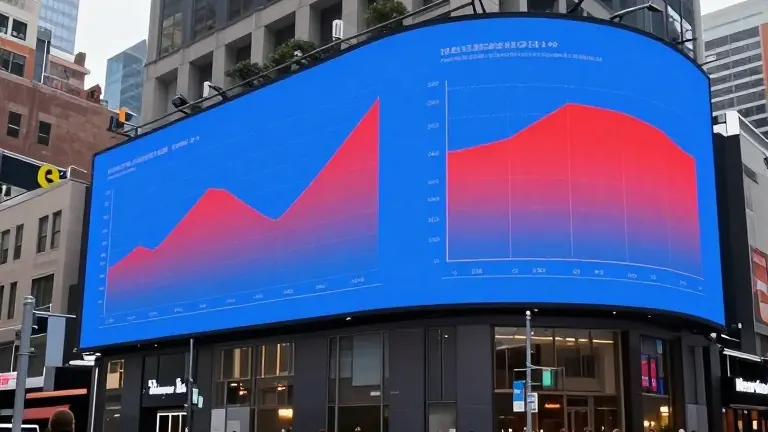
The 2026 midterm elections are on pace to become the most expensive in American history. Political advertising spending is projected to reach $11.6 billion, surpassing the total for the 2024 presidential race, according to the ad-tracking firm AdImpact. This record-breaking expenditure is fueled largely by contributions from wealthy individuals and organizations that channel funds through political networks.
Federal Election Commission data shows that the 50 largest donors and organizations have contributed a combined $2.77 billion this cycle. Republican-aligned contributors account for $1.67 billion of that total, or 60 percent. Democratic-aligned contributors have given $832 million, representing 30 percent of the funds. The remaining $264 million, or 10 percent, comes from groups classified as bipartisan or special interest, including those backing sports betting and cryptocurrency industries.
Elon Musk, the head of Tesla and SpaceX, is the largest individual contributor. He has donated $446 million to the cycle. He is followed by Elizabeth and Richard Uihlein, founders of Uline, who have given $150 million. Jeff and Janine Yass, whose husband co-founded Susquehanna International Group, have contributed $110 million. All three top individual donors have directed their funds to Republican-aligned groups.
On the Democratic side, George Soros, the investor and founder of the Open Society Foundations, is the largest individual donor with $102 million. Mike Bloomberg, the former New York City mayor and founder of Bloomberg, has given $84 million. Reid Hoffman, the cofounder of LinkedIn, and his wife Michelle Yee have contributed $41 million. These four individuals, including Musk and the Uihleins, are the only donors to give more than $100 million each.
While individuals can donate up to $3,500 per election to a federal candidate, most of these large sums flow to super political action committees, or super PACs. These groups can accept unlimited donations as long as they do not coordinate their spending with candidates. Super PACs emerged in 2010 following court rulings that allowed independent groups to spend unlimited amounts on elections. They must report their donors to the Federal Election Commission, though some major contributors like One Nation and Majority Forward are nonprofits that do not have to disclose their own donors, a practice known as dark money.
Political nonprofits lead the organizational rankings. One Nation, a nonprofit aligned with Senate Republican leadership, has given $133 million. American Action Network, linked to House Republican leadership, has contributed $64.3 million. American Prosperity Alliance has given $50.7 million. On the Democratic side, Majority Forward has contributed $102 million, while House Majority Forward has given $93.7 million. Economic Opportunity Fund has contributed $41.5 million.
Businesses in the cryptocurrency sector have also made substantial contributions. Coinbase, the largest US crypto exchange, has given $57.8 million. Ripple, a blockchain payments company, has contributed $49.6 million. Foris DAX, the company behind Crypto.com, has given $39 million. The industrial conglomerate Koch has contributed $46.8 million, and the sports betting company DraftKings has given $40.4 million. These figures illustrate the diverse sources of funding driving the record-setting election cycle.
Lawrence Lessig, a professor at Harvard Law School and campaign finance reform advocate, argues that the concentration of donors is the primary concern rather than the overall cost. He stated that the money is hidden only from voters, not from politicians. Lessig noted that if a person does not have $100 million to offer, they are unlikely to matter in the way democracy expects. His comments highlight the disparity in influence between major donors and the general electorate.
Source: Al Jazeera